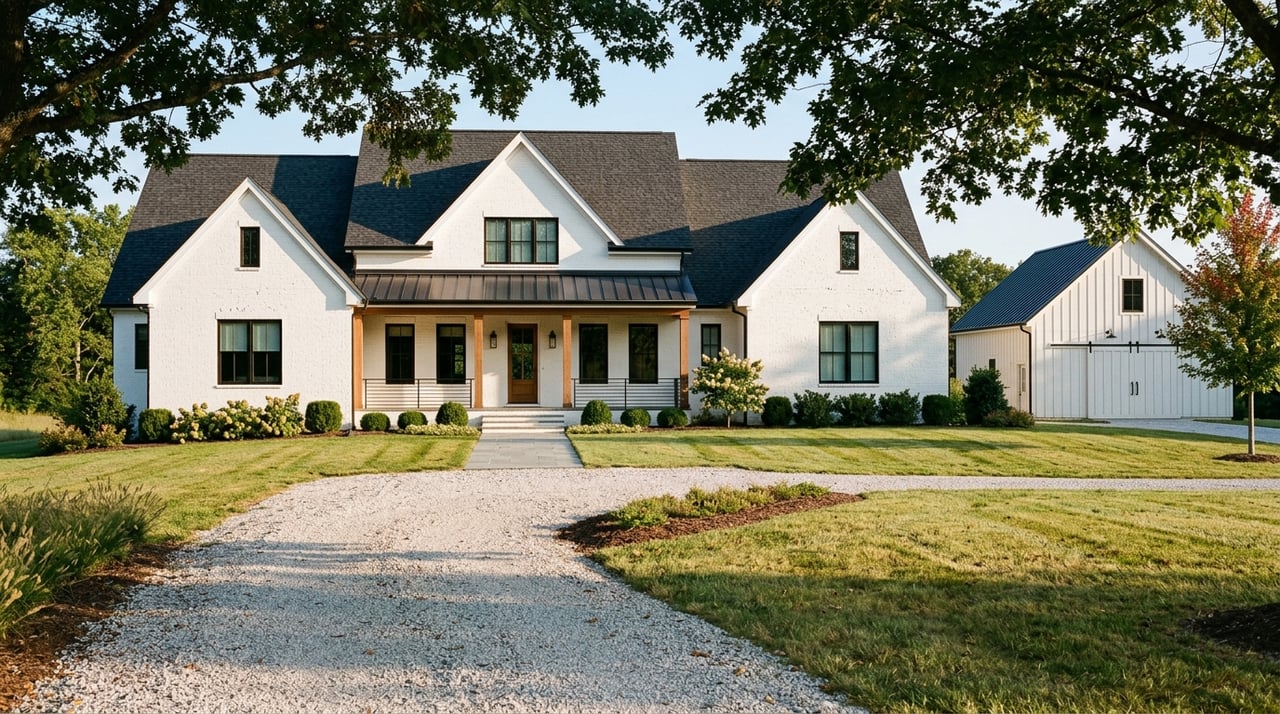
Thinking about buying land or a hobby farm in Phoenix, MD? It is easy to fall in love with open space, a barn, or the idea of keeping animals, but rural property can come with more moving parts than a typical home purchase. If you want to buy with confidence, you need to look past the listing and understand what the land actually allows, what the site can support, and where hidden limits may show up. Let’s dive in.
Why Phoenix land needs extra homework
When you buy in Phoenix, you are dealing with Baltimore County land-use rules, not a separate town government. That matters because the county controls zoning, and the official zoning map carries more weight than the listing description or the neighborhood name.
For buyers, that means the first question is not whether a property is marketed as a farm. The better question is what the parcel is zoned for today, and whether that zoning supports the way you want to use the land.
Start with zoning, not the marketing
In Phoenix, rural zoning can vary a lot from one parcel to the next. Baltimore County rural categories such as RC 2, RC 4, RC 5, and RC 6 allow different uses by right, including combinations of farm and single-family dwelling uses depending on the district.
That difference can shape your plans in a big way. One property may support a straightforward home-and-land setup, while another may require more review if you want animals, roadside sales, or another specialized rural use.
Why “farm” can mean different things
A listing may call a property a farm, farmette, or hobby farm, but that wording does not automatically give you every rural use you may have in mind. Baltimore County policy makes an important distinction between ordinary accessory animal use on a tract with a home and separate commercial-style uses.
In plain terms, keeping animals on your property is not the same as automatically having the right to run a kennel, boarding setup, or riding stable. Those uses can depend on the zoning district and the approval path required for that parcel.
Uses to confirm before you write an offer
If you are buying with a specific goal, confirm that use early. This is especially important if you plan to:
- Keep horses or livestock
- Build a barn or run-in shed
- Offer boarding or training
- Operate a farm market or roadside stand
- Use the land for dog-related activities
A quick zoning review at the start can save you from spending time and money on a property that does not fit your plans.
Well and septic can make or break the deal
Many rural properties around Phoenix rely on private wells and onsite septic systems instead of public water and sewer. That is not unusual, but it does mean the land needs more careful review before you assume it can support a new home, an addition, or extra structures.
Baltimore County notes that new homes outside public water and sewer service areas require considerable site evaluation before a building permit can be approved. For buyers, that means utility questions are really land-use questions too.
Ask for records early
One of the smartest moves you can make is to request well and septic records as early as possible. County guidance says those systems and their required clearances can affect what can be built on the lot.
That matters even if the property already has a house. The existing septic layout may limit where you can place a garage, barn, fence line, pool, or future addition.
What to know about private wells
If the property has a well, the owner is responsible for water safety. The Maryland Department of the Environment says well water should be sampled at least once a year by a state-certified laboratory.
MDE also notes that well construction, modification, and proper abandonment must be handled by a licensed well driller. Setback rules from contamination sources also apply, which can affect how the rest of the property functions.
What to know about septic systems
For septic systems, the details matter just as much as the location. MDE says property-transfer inspectors for onsite sewage disposal systems must be licensed.
Baltimore County also states that pools, utilities, and other structures cannot be located in the sewage disposal area. If you picture adding a barn, workshop, or outdoor living area later, make sure the septic field is not sitting where you want that future improvement to go.
Barns and outbuildings are not automatic
A rural setting can make it seem like you have freedom to place outbuildings wherever they fit best. In reality, Baltimore County rules still control where accessory structures can go and how much area they can cover.
The county zoning policy manual says accessory structures in residential zones must be in the rear yard of the principal use or structure. It also limits the combined area of accessory structures relative to the rear yard.
Placement matters more than buyers expect
Barns, sheds, garages, run-ins, and similar structures may require a site plan, permit review, or even a variance depending on the zoning and placement. So even if a structure seems modest, its location on the lot can become a key issue.
This is one reason a plot plan or survey is so important during due diligence. It helps you compare your wish list with the actual space available under current rules.
Rural land does not mean setback rules disappear
Baltimore County also makes clear that agricultural buildings do not automatically avoid ordinary setback rules. If the property is not treated as commercial agricultural, or if the parcel is under 3 acres, regular setback requirements may still apply.
That is a big point for hobby-farm buyers. A pole barn or horse barn may feel like a natural fit for the land, but it still has to fit the legal layout of the lot.
Easements and tax status deserve close review
A beautiful parcel can still come with restrictions that limit future plans. That is why title work and document review matter just as much as a walk around the property.
Before you get too attached to an idea like subdividing, expanding, or adding nonfarm improvements, confirm whether recorded easements or preservation restrictions affect the land.
Agricultural assessment is worth clarifying
Maryland allows land actively devoted to agricultural use to be assessed according to that use. That can sound appealing, but the state also warns that the benefit can be misunderstood and that tax penalties may result in some situations.
For a buyer, the practical question is whether the property currently receives agricultural assessment and whether that status is likely to continue after closing. You do not want to build your budget around an assumption that may not hold.
Preservation easements can permanently limit development
Maryland’s agricultural preservation program can place permanent restrictions on qualifying farmland and woodland. According to the Maryland Department of Agriculture, land in this program remains privately owned and can still be sold or transferred, but it is restricted to agricultural use now and in the future.
That can be perfectly fine for the right buyer. But if you are hoping for future development flexibility, you need to know about those restrictions before moving forward.
A smart due diligence checklist for Phoenix buyers
If you are in the early stages of shopping for land or a hobby farm in Phoenix, a simple review process can help you avoid expensive surprises. The goal is to verify the property’s real-world usability before your inspection period ends.
A practical sequence for buyers includes:
- Verify the current zoning
- Review the survey or plot plan
- Pull well and septic records
- Confirm water and sewer service status
- Check title for easements and deed restrictions
- Bring in specialists only if the parcel or your planned use raises a concern
Depending on the property, those specialists might include a zoning reviewer, septic inspector, licensed well driller, surveyor, or land-use attorney. You may not need all of them on every deal, but knowing when to involve one can protect your budget and your plans.
How to buy with fewer surprises
Buying land in Phoenix can be exciting, especially if you want more privacy, more usable outdoor space, or room for a true hobby-farm lifestyle. The key is to stay practical from the start and verify the details that will shape how you can actually use the property.
At Dan Cohen Homes, we believe good rural-property decisions come from clear local guidance, careful review, and asking the right questions early. If you are exploring land or hobby-farm opportunities in Phoenix, Daniel Cohen can help you evaluate the property, the process, and the next steps with a local, problem-solving approach.
FAQs
What should you check first when buying land in Phoenix, MD?
- Start with the property’s Baltimore County zoning, because zoning controls what uses are allowed and matters more than the listing description.
Can you keep animals on any hobby farm property in Phoenix, MD?
- Not automatically. Animal-related uses can depend on the zoning district, and some uses like boarding, kennels, or riding stables may require additional review.
Do Phoenix, MD land purchases usually have public water and sewer?
- Many rural parcels rely on private wells and onsite septic systems, so you should review those records early and confirm how they affect building plans.
Can you build a barn anywhere on land in Phoenix, MD?
- No. Barns and other accessory structures may be subject to rear-yard placement rules, area limits, setback rules, permit review, or variance requirements.
Why do easements matter when buying a hobby farm in Phoenix, MD?
- Easements and preservation restrictions can limit development, expansion, or nonfarm improvements, so they should be reviewed through title work and property records before closing.
