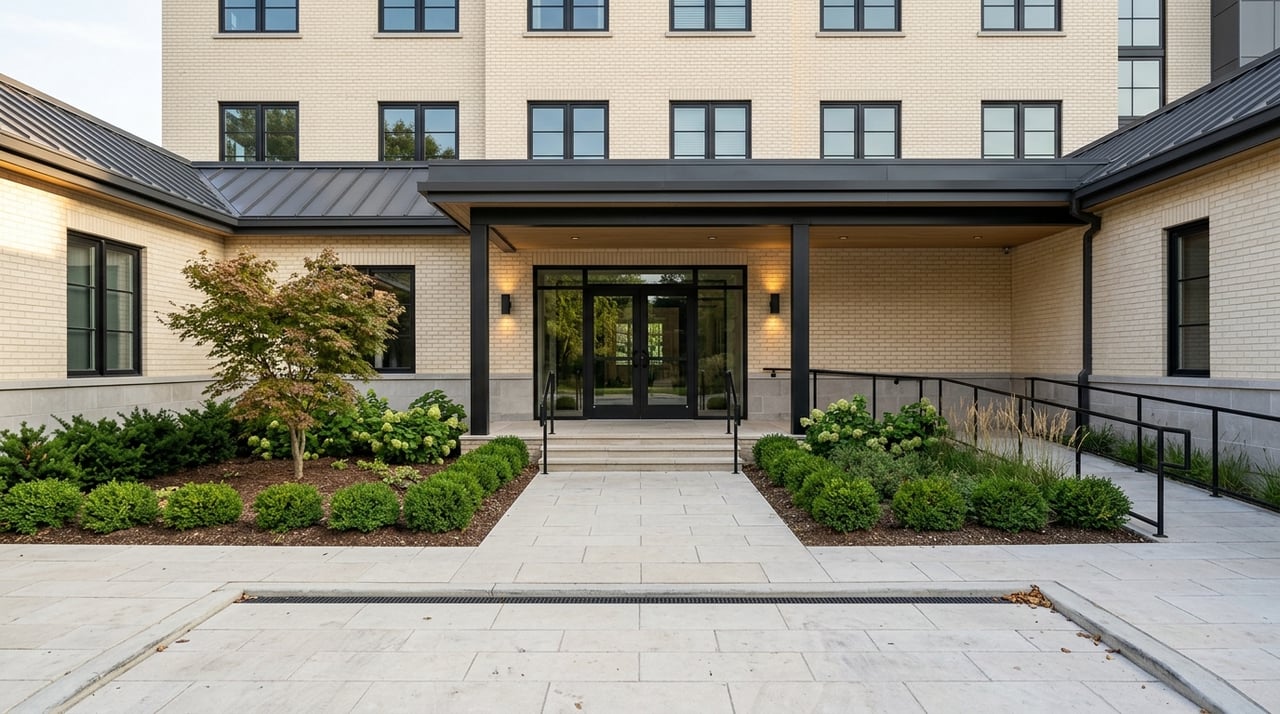
Are you drawn to the idea of owning a home without spending every weekend on yard work, exterior repairs, or a long maintenance checklist? If you are considering a move in Pikesville, condo and low-maintenance living can be a practical option in a market where attached and multifamily homes already play a meaningful role. Understanding how these homes work, what they cost, and who they tend to fit best can help you make a smarter move. Let’s dive in.
Why low-maintenance living fits Pikesville
Pikesville is not a one-style housing market. According to the latest Maryland planning ACS profile, the area includes a mix of detached homes, attached homes, and multifamily properties, with 37.6% detached single-family homes, 16.0% attached homes, and a substantial share in buildings with 5 or more units.
That matters if you want options beyond the typical detached house. In Pikesville, low-maintenance living is not an outlier. It is part of the local housing mix, which makes condos and similar homes a realistic choice for many buyers.
The area also reflects a mature suburban market. The same Maryland profile reports a median owner-occupied value of $434,500, a median gross rent of $1,707, and housing stock concentrated in the 1960s, 1970s, and 1980s.
This context helps set expectations. In Pikesville, choosing a condo or maintenance-light home is often about simplifying your day-to-day life, not chasing a niche lifestyle trend.
What low-maintenance usually means
When buyers hear “low-maintenance,” they sometimes assume “hands-off.” In reality, condo living usually means that an association takes care of shared responsibilities like common-area upkeep, community rules, and budget administration.
That can reduce the amount of exterior maintenance you manage yourself. Depending on the community, you may spend less time thinking about landscaping, shared building systems, and common area repairs.
Still, ownership comes with real responsibilities. You are typically still responsible for your mortgage, property taxes, and your own insurance needs, while the association handles its own set of obligations through dues and community governance.
The association’s role
In a condo community, the association or board generally manages the governing documents, collects fees, and helps maintain shared standards. Those rules and responsibilities are usually laid out in the bylaws and community documents.
This structure can be a real benefit if you want a more predictable ownership experience. At the same time, it also means you are buying into a shared system, not just an individual unit.
Your role as an owner
As a unit owner, you still need to budget carefully and understand what you are responsible for. Low-maintenance living reduces certain tasks, but it does not remove the need for planning, document review, and ongoing costs.
That tradeoff is important. You may gain convenience, but you also agree to dues, community rules, and shared financial obligations.
Condo insurance in Maryland
One of the most important parts of condo ownership is understanding the split between the association’s insurance and your own. The Maryland Insurance Administration says a condo association’s master policy typically covers the structure and common areas.
Your personal condo policy usually covers your contents, liability, additions or betterments, and other protections that may include loss-assessment coverage. Maryland also allows associations to require a unit-owner policy.
This is a big reason low-maintenance ownership still requires due diligence. Before you buy, you want a clear picture of what the master policy covers and what you will need to insure yourself.
What condo fees usually cover
Condo and HOA fees can vary widely. The amount depends on factors like the building’s age and condition, the property’s value, and whether the community offers added amenities.
In general, dues often support common-area maintenance, reserve funding for future repairs, and the association’s insurance responsibilities. The exact breakdown depends on the governing documents for that specific community.
It is also important to remember that dues are usually separate from your mortgage payment. Property taxes and your personal insurance are often separate too, so your real monthly cost is usually a combination of several expenses.
Why reserves matter
A healthy reserve fund can make a big difference in how stable a condo community feels over time. Part of the dues should typically go toward reserves for future major repairs.
Without adequate reserves, owners may be more exposed to unexpected costs. That is one reason buyers should look beyond the monthly fee amount and ask what the fee is actually supporting.
Special assessments to watch for
Some communities may levy special assessments for one-time expenses. These can include unforeseen repairs, structural work, or replacement of shared systems.
A lower monthly fee does not always mean lower long-term cost. If a building has deferred maintenance or limited reserves, owners may end up facing larger surprise expenses later.
What to review before buying
If you are considering a condo in Pikesville, document review is one of the most important parts of the process. You want to understand not only the home itself, but also the financial and legal structure around it.
Before making an offer, buyers should review:
- CC&Rs or other governing documents
- Bylaws
- Current budget information
- Reserve information
- Insurance details
- Rules on owner responsibilities and repair obligations
These documents can clarify what owners can and cannot do, how fees are calculated, and who is responsible for specific repairs. They can also help you spot whether a community is a good fit for your lifestyle and budget.
Who condo living may suit best
Low-maintenance living can appeal to several types of buyers in Pikesville. The best fit often comes down to how you want to spend your time, how much upkeep you want to manage, and how comfortable you are with shared community rules.
Busy professionals
If your schedule is packed, a condo or similar home can reduce the number of property tasks you handle on your own. That can make ownership feel more manageable, especially if you value convenience and predictability.
Instead of focusing on exterior upkeep, you may be able to put more energy toward work, travel, or your daily routine. The tradeoff is that you still need to factor in dues and association policies.
Frequent travelers
If you travel often, low-maintenance living may feel appealing because you are not solely responsible for every exterior concern while you are away. Shared maintenance can offer peace of mind compared with a home that demands more hands-on attention.
That said, it is still important to understand the insurance setup, reserves, and rules of the community. Convenience works best when the building is financially and operationally well organized.
Downsizers and older adults
Pikesville has a notable older-adult presence. The Maryland planning profile shows a median age of 42.1, with 23.9% of residents age 65 or older and 42.3% of households including someone 65 or older.
That helps explain why downsizing and maintenance-light ownership are such relevant local themes. If you are moving from a larger home, a condo may offer a simpler ownership model while keeping you in an established community.
Tradeoffs to think through
Condo and low-maintenance living can be a smart fit, but it is not automatically the right move for everyone. The biggest tradeoffs usually include ongoing dues, community rules, and the possibility of special assessments.
Some buyers love the idea of fewer day-to-day maintenance tasks. Others prefer the flexibility and control that can come with a detached home, even if it means taking on more work.
The right choice depends on what matters most to you. If convenience, simpler upkeep, and a shared maintenance structure sound appealing, Pikesville gives you real options to explore.
How to compare your options
As you weigh condos and other low-maintenance homes in Pikesville, try looking at the full picture instead of focusing on a single number. A home with dues may still make sense if those dues help reduce the time, stress, and surprise costs you would otherwise manage yourself.
Ask practical questions as you compare homes:
- What does the monthly fee actually cover?
- How strong are the reserves?
- Are there recent or planned special assessments?
- What repairs fall on the owner versus the association?
- What insurance will you need beyond the master policy?
- Do the community rules fit your day-to-day lifestyle?
These questions can help you move from a general idea of “low-maintenance” to a clear understanding of what ownership will really look like.
If you are sorting through condos, townhomes, or downsizing options in Pikesville, working with a local team can make the details easier to navigate. When you are ready to talk through your next move, connect with Daniel Cohen for practical guidance tailored to your goals.
FAQs
What does low-maintenance living in Pikesville usually include?
- In many Pikesville condo communities, low-maintenance living means the association handles shared responsibilities like common-area upkeep, building administration, and certain exterior or structural obligations.
What should buyers review before buying a condo in Pikesville?
- Before buying a condo in Pikesville, you should review the bylaws, CC&Rs, budget, reserve information, insurance details, and documents explaining repair responsibilities and fee structure.
What does condo insurance cover in Maryland?
- In Maryland, the condo association’s master policy typically covers the structure and common areas, while your personal unit-owner policy usually covers contents, liability, and additions or betterments.
Are condo fees separate from the mortgage payment in Pikesville?
- Yes, condo or HOA fees are generally separate from your mortgage payment, and property taxes and personal insurance are usually separate as well.
Who tends to choose condo and low-maintenance homes in Pikesville?
- In Pikesville, these homes often appeal to busy professionals, frequent travelers, downsizers, and buyers who want to reduce owner-managed upkeep while staying in an established community.
