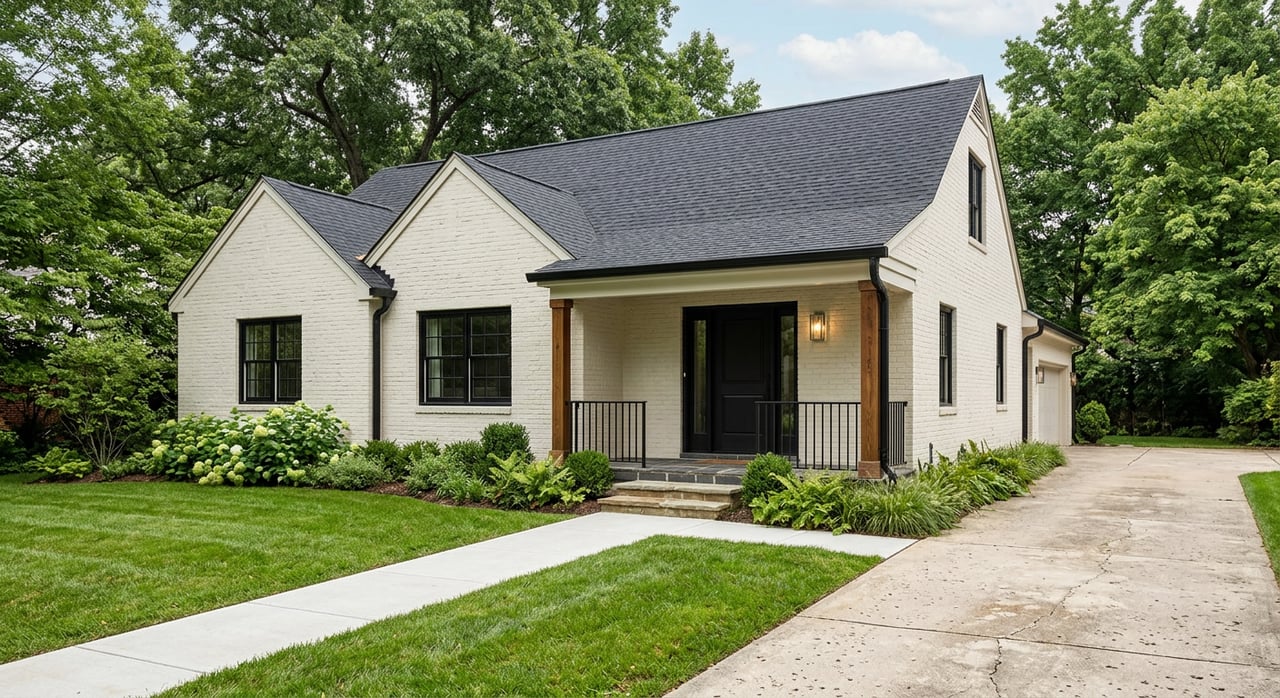
Buying your first home is a big step, and choosing the right suburb can make it smoother and more affordable. If you are eyeing Parkville in Baltimore County, you will find inside-the-Beltway convenience, classic mid-century homes, and a price range that fits many first-time budgets. In this guide, you will learn what starter homes look like here, what they typically cost, how ground rent works, and the steps to buy with confidence. Let’s dive in.
Why Parkville works for first-time buyers
Parkville sits inside I‑695 and offers a short hop to Towson and downtown Baltimore. The housing stock is largely post‑WWII ranches, Cape Cods, and colonials, plus some townhomes and small condo communities. That mix gives you choices across price points and condition levels.
For many first-time buyers, the starter-home sweet spot in Parkville is roughly 220,000 to 350,000 dollars for 2 to 3 bedroom single-family homes or modest townhomes. Market snapshots vary by source and timing, so expect a spread rather than one exact median. You can use local market reports to watch trends over time in Parkville’s 21234 ZIP code.
Parkville residents report a mean one-way commute of about 27.4 minutes, according to the Census. That tends to work well if you need access to Towson, major hospitals and colleges, or downtown Baltimore. The Census QuickFacts page is a helpful anchor when you compare commute expectations across suburbs.
What a starter home looks like here
Most Parkville homes were built in the mid 20th century. You will often see brick ranchers, Cape Cods with dormers, and tidy colonials on established lots. There are also pockets of townhomes and a few small condo communities.
Prices depend on size, condition, and location within the neighborhood. You will find an “entry” tier with smaller homes that need updates, a “move-in ready” tier with recent renovations, and an “upgraded starter” tier with larger footprints or full remodels. Condition and lot size are major drivers of value.
What it really costs to own in Parkville
Property taxes are a key carrying cost to plan for. The Baltimore County real property tax rate is 1.10 dollars per 100 dollars of assessed value. As a simple estimate, if a home is assessed at 300,000 dollars, expect roughly 3,300 dollars per year before credits or adjustments. Always check the latest bill for a specific address and learn about homeowner credits on the county site. You can review the published rate on the Baltimore County tax rates page.
Homeowners insurance is another core cost. Standard policies usually do not include flood coverage. Parkville is inland, but specific homes near streams or low spots can face flood risk. Review FEMA flood maps for the address and get quotes for flood insurance if needed. You can read a general overview of homeowners insurance considerations for Parkville on Insurox’s Maryland page.
Townhomes and condos may include HOA or condo fees. Ask for the HOA declaration, budget, and meeting minutes during your review period. For single-family homes, most are fee simple with no HOA, but always verify.
Ground rent in Parkville, explained
Ground rent is a unique Maryland system where a separate land lease may require a small semiannual or annual payment. It shows up on some Parkville parcels, especially older properties. It is not universal, so you need to check each title carefully.
If you buy a home with ground rent and miss payments, there can be legal consequences. State reporting and court actions in past years spurred reforms, but it remains a real title factor in the Baltimore area. For background, see the Maryland State Archives copy of the Baltimore Sun’s series on ground rent and related legal context here.
Here is a simple buyer checklist for ground rent:
- Ask the seller or agent if a ground rent exists and request the recorded documents or a payoff figure early. The process is explained in this local guide: What Is Ground Rent In Parkville?
- Order a full title search and read the title commitment. If ground rent exists, it should be listed as a title exception. The same guide covers what to expect.
- Confirm your lender’s policy. Some lenders allow ground rent, while others may require redemption. Clarify this before you write an offer. See the guide for common approaches.
- If you want it removed, sellers sometimes redeem the ground rent at closing. The title company can calculate the payoff or redemption amount. More details are in the guide.
Commute and transit
Parkville’s location inside the Beltway makes driving straightforward for many jobs in Towson and Baltimore. As noted earlier, the mean one-way commute is about 27.4 minutes per the Census. During your home search, test your likely route during peak times to gauge real-world traffic.
Transit options include Maryland Transit Administration LocalLink services along Harford Road and nearby corridors. Routes and schedules change, so review current options before you buy. You can see references to LocalLink adjustments on the MTA service changes page and then check the latest schedules.
Schools and boundaries
Parkville is served by Baltimore County Public Schools. Local schools include Parkville Middle and Parkville High, among others based on address. Attendance areas can change, so always confirm school assignments for a specific home using official BCPS tools and school pages.
If your student is interested in specialized programs, Parkville Middle lists magnet pathways and program information on its site. You can review the offerings on the Parkville Middle magnet programs page. School information should be verified directly with BCPS.
Common tradeoffs with older homes
Most Parkville homes were built before modern codes and energy standards. Expect some houses to need upgrades to roofs, HVAC, electrical panels, windows, or basement drainage. Your inspection should focus on these big-ticket systems.
If a home was built before 1978, there may be lead-based paint. Ask your inspector about safe testing and renovation practices. The EPA provides clear guidance on lead safety and renovation rules. You can read it here.
How Parkville compares nearby
Compared to some north-county suburbs like Towson, Parkville often comes in at a lower entry price for similar bedroom counts. Exurban areas farther out can be less expensive, but you give up the short Beltway commute and proximity to larger job centers. For a broad view of Parkville’s market snapshots over time, you can review the Rocket Homes Parkville market report.
Step-by-step first-time buyer game plan
Use this checklist to stay organized and focused:
- Set your budget and explore assistance.
- Get preapproved so you know your target price and monthly payment. If you qualify, the Maryland Mortgage Program offers down payment help and first-time buyer loan options. Start with the MMP down payment page.
- Understand local price tiers.
- Expect a range based on size and condition, from entry-level fixers to move-in-ready homes and upgraded starters. Market snapshots vary by source, so compare several recent sales when you analyze value.
- Test the commute and neighborhood fit.
- Drive your route during rush hour and visit the block morning, afternoon, and evening. Park near the home, listen for noise, and note street parking patterns. Use the Census commute stat as a baseline, then rely on your own timing.
- Map your tax picture.
- Ask the seller for last year’s tax bill and verify the current assessed value. As a rough estimate, apply the county’s 1.10 dollars per 100 dollars rate to the assessed value. Learn more on the Baltimore County tax rates page.
- Check title for ground rent and other exceptions.
- Order a title commitment early and read it with your agent and title company. If ground rent appears, decide whether you will redeem it and confirm your lender’s policy. The local ground rent guide walks through the process.
- Inspect for age-related issues.
- Focus on roof age, HVAC condition, electrical capacity, windows, drainage, and any signs of moisture. For pre‑1978 homes, plan for lead-safe practices. See the EPA guidance for background.
- Confirm insurance and flood risk.
- Get a homeowners quote early. Check whether the property sits in a mapped flood zone and price flood coverage if needed. You can review an overview of considerations on Insurox’s Parkville page.
- Keep resale in mind from day one.
- Proximity to the Beltway, Towson, major employers, and retail hubs can support long-term demand. Watch price trends and supply over time in the Rocket Homes Parkville report.
Ready to start your Parkville search?
If Parkville checks your boxes, you deserve a clear plan and a local advocate who understands this market. Our team can help you compare neighborhoods, flag ground rent or title issues early, and craft a winning offer that fits your budget. When you are ready, connect with Daniel Cohen to Get a Free Consultation and take your first step toward homeownership in Parkville.
FAQs
What price range should first-time buyers expect in Parkville?
- Many starter options fall between about 220,000 and 350,000 dollars, with prices driven by size, condition, and lot.
How do property taxes work for Parkville homes?
- Baltimore County’s published real property rate is 1.10 dollars per 100 dollars of assessed value; a 300,000 dollar assessment is roughly 3,300 dollars per year before credits.
Does Parkville have ground rent on homes?
- Some older properties do, but it is property-specific; review the title work and see this ground rent guide for steps to confirm and redeem if needed.
What is the typical Parkville commute like?
- The Census reports a mean one-way commute of about 27.4 minutes; test your route during peak hours to validate timing.
Are Parkville homes usually older, and what should I inspect?
- Yes, many are mid‑century builds; prioritize roof, HVAC, electrical, windows, drainage, and lead-paint risk for pre‑1978 homes, using EPA guidance as a reference.
