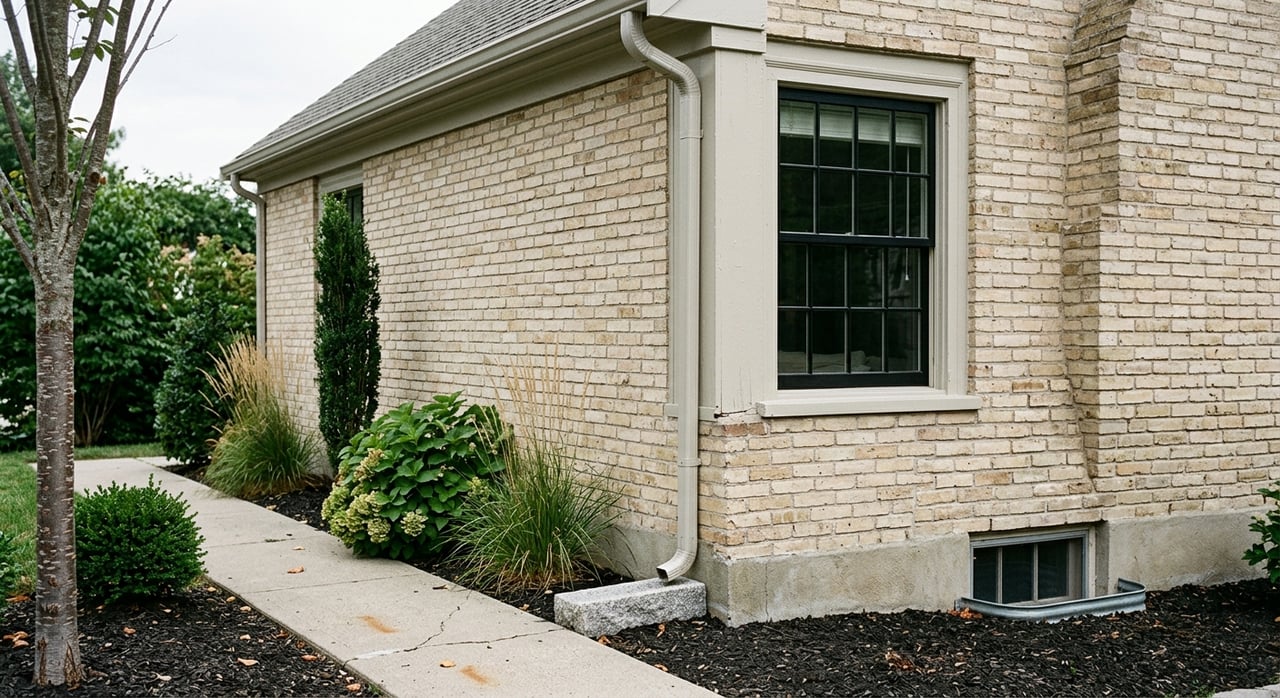
Selling a home in Parkville can look simple from the outside. Inventory is relatively tight, homes are still moving, and many sellers assume the market will do the heavy lifting. But in a community where buyers compare block by block, home age matters, and issues like disclosures or ground rent can affect a deal, your prep before listing can make a real difference. This guide will help you focus on the details that matter most so you can price smart, prepare well, and go to market with confidence. Let’s dive in.
Parkville Is Active, But Pricing Still Matters
Parkville remains a seller-leaning market, but that does not mean every listing gets the same response. Recent market data shows a median sale price around $312,000, a median listing price of about $317,499, and homes selling in roughly 21 to 30 days. Realtor.com also reports a 100% sale-to-list ratio, while Redfin shows homes selling about 1% above list on average.
That sounds encouraging, but it also points to an important reality. Buyers are still paying attention to value. If your home is priced too high, needs obvious work, or launches with weak presentation, you can lose momentum early.
Buyers Compare Parkville Closely
One of the biggest mistakes sellers make is assuming Parkville should be priced off broad Baltimore-area trends. In reality, buyers often compare Parkville with nearby options like Towson, Perry Hall, Carney, and Overlea. Those areas sit in different price bands, which means buyers are weighing your home against several realistic alternatives.
Inside Parkville, pricing can vary by area as well. Realtor.com shows listing variation within the community, with examples such as Ridgeleigh around $234,950 and North Harford Road around $300,000. That is why a hyperlocal pricing strategy matters more than a one-size-fits-all estimate.
What That Means for Your List Price
Your list price should reflect more than square footage and bedroom count. It should account for your specific location within Parkville, your home’s condition, updates, layout, and how it compares to current competition.
A smart pricing strategy aims to attract serious buyers quickly, not just test the market. In a market where homes are selling close to asking, the right launch price can help protect your leverage during negotiations.
Older Homes Need a Smarter Prep Plan
Parkville includes a mix of older housing, including Victorian-era homes, early-20th-century dwellings, Craftsman-style bungalows, and other long-standing single-family properties. That character can absolutely appeal to buyers. At the same time, older homes tend to make maintenance issues more visible during showings and inspections.
This does not mean you need a full renovation before listing. It means you should be strategic about what you fix, what you disclose, and what you leave alone.
Focus on Visible Maintenance First
Before you list, pay close attention to the items buyers notice right away. Peeling paint, worn trim, aging caulk, loose railings, damaged flooring, outdated light fixtures, and deferred exterior upkeep can shape buyer impressions within minutes.
In a market where homes are moving, presentation still matters. If your home looks cared for, buyers may feel more confident about the rest of the property.
Be Careful With Repairs in Older Homes
If your home was built before 1978, Maryland says it may contain lead paint. The EPA requires sellers of most pre-1978 housing to disclose known lead information and give buyers an opportunity for an independent lead inspection before the contract is signed.
If you plan to do repairs that disturb painted surfaces, proper work practices matter. Maryland also notes the importance of using lead-safe certified contractors when that kind of work is involved.
Disclosures Matter, Even in an As-Is Sale
Some sellers assume that listing a home as-is removes most of their disclosure responsibilities. In Maryland, that is not the case. The state’s standardized disclosure or disclaimer form is required in applicable residential transactions, and sellers who choose the disclaimer route are still responsible for disclosing known latent defects.
That makes pre-listing due diligence especially important. If you already know about a hidden issue with the roof, foundation, plumbing, electrical system, or another material condition, you should be prepared to address it properly before your home hits the market.
Why This Helps You as a Seller
Clear paperwork can reduce delays and surprises once you are under contract. It can also make negotiations smoother because buyers feel they are working with a seller who is organized and upfront.
If you want an as-is strategy, that can still be workable. But the best as-is listings usually come with realistic pricing, strong presentation, and complete information.
Check Ground Rent Before You List
In Parkville and the greater Baltimore area, ground rent is one of those issues that can catch sellers off guard. Maryland’s People’s Law Library explains that ground rent is identified in the deed, filed in county land records, and searchable through SDAT’s Real Property Search.
If your property is subject to ground rent, the details should be reviewed before your home goes live. From a practical standpoint, your buyer, title company, and lender will want clarity on whether the property is fee simple or leasehold.
Why Ground Rent Can Delay a Sale
SDAT says a ground lease holder may not collect ground rent unless the lease is registered and statutory notice has been mailed at least 60 days before payment is due. Even so, if ownership records are unclear or no one checks this issue until a contract is in place, you may face avoidable title questions later.
That is why ground rent should be part of your listing prep, not a last-minute discovery. If a redemption option is relevant, Maryland DHCD has a Ground Rent Redemption Loan Program for eligible homeowners.
Timing Your Listing Takes More Than Picking a Date
Many sellers ask when they should list. The better question is when your home will actually be ready to launch well. Realtor.com’s March 2026 data shows Parkville had 110 homes for sale, active listings were down year over year, and the market still leaned in sellers’ favor.
That creates opportunity, but only if your home is ready from day one. In a market where homes typically sell around asking and move in about 25 to 30 days, the first week matters.
Prep Before You Go Live
Before listing, it helps to have a clear plan for:
- pricing strategy
- repair triage
- disclosure questions
- ground rent and title review
- cleaning and presentation
- photography and marketing timing
- your ideal launch date
Realtor.com’s 2026 Best Time to Sell report points to mid-April as the best national listing week and emphasizes starting preparation well in advance. Even if your timing differs, the main lesson is the same. Good listings are usually planned, not rushed.
What Parkville Sellers Should Prioritize First
If you want to keep your pre-listing process focused, start with the items that affect pricing, buyer confidence, and contract stability the most.
Your Pre-Listing Checklist
- Review recent Parkville comps carefully. Look at nearby comparable sales and active listings, not just broad county averages.
- Assess condition honestly. Make a list of visible repairs, deferred maintenance, and likely inspection concerns.
- Gather property paperwork. Have records ready for past work, known issues, and any required disclosures.
- Check for lead-related obligations. If the home was built before 1978, be prepared for lead disclosure requirements.
- Confirm ground rent status. Review your deed and title information early.
- Plan your launch. Give yourself time for prep, photos, and a pricing discussion before the listing goes live.
A Strong Start Can Protect Your Bottom Line
The biggest advantage you can create as a Parkville seller is not just listing in a seller’s market. It is showing up prepared. When your price is grounded in local comparisons, your home looks cared for, and your paperwork is in order, you put yourself in a better position to attract serious buyers and negotiate from strength.
That kind of preparation is especially valuable in Parkville, where home styles vary, housing stock can be older, and buyers have nearby alternatives to compare. A thoughtful listing strategy helps you avoid preventable setbacks and make the most of current market conditions.
If you are getting ready to sell in Parkville, Daniel Cohen can help you build a smart plan for pricing, prep, and marketing so you can move forward with clarity.
FAQs
What should Parkville sellers do before listing a home?
- Start with pricing, visible repairs, disclosure prep, and a review of title details like ground rent status before your home goes on the market.
How fast are homes selling in Parkville, MD?
- Recent data shows homes in Parkville are generally selling in about 21 to 30 days, depending on the source and the property.
Do older Parkville homes need special preparation before listing?
- Yes. Because many Parkville homes are older, visible maintenance, repair planning, and careful disclosure review can play a bigger role in buyer interest and inspection negotiations.
Do Maryland sellers still have to disclose problems in an as-is sale?
- Yes. Maryland’s disclosure or disclaimer form still requires sellers to disclose known latent defects, even when a property is being sold as-is.
How can Parkville ground rent affect a home sale?
- Ground rent can affect title clarity, so sellers should confirm whether the property is fee simple or leasehold before listing.
Do Parkville sellers need to worry about lead paint rules?
- If the home was built before 1978, sellers should be prepared for lead-related disclosure requirements and should use proper work practices if repairs disturb painted surfaces.
